
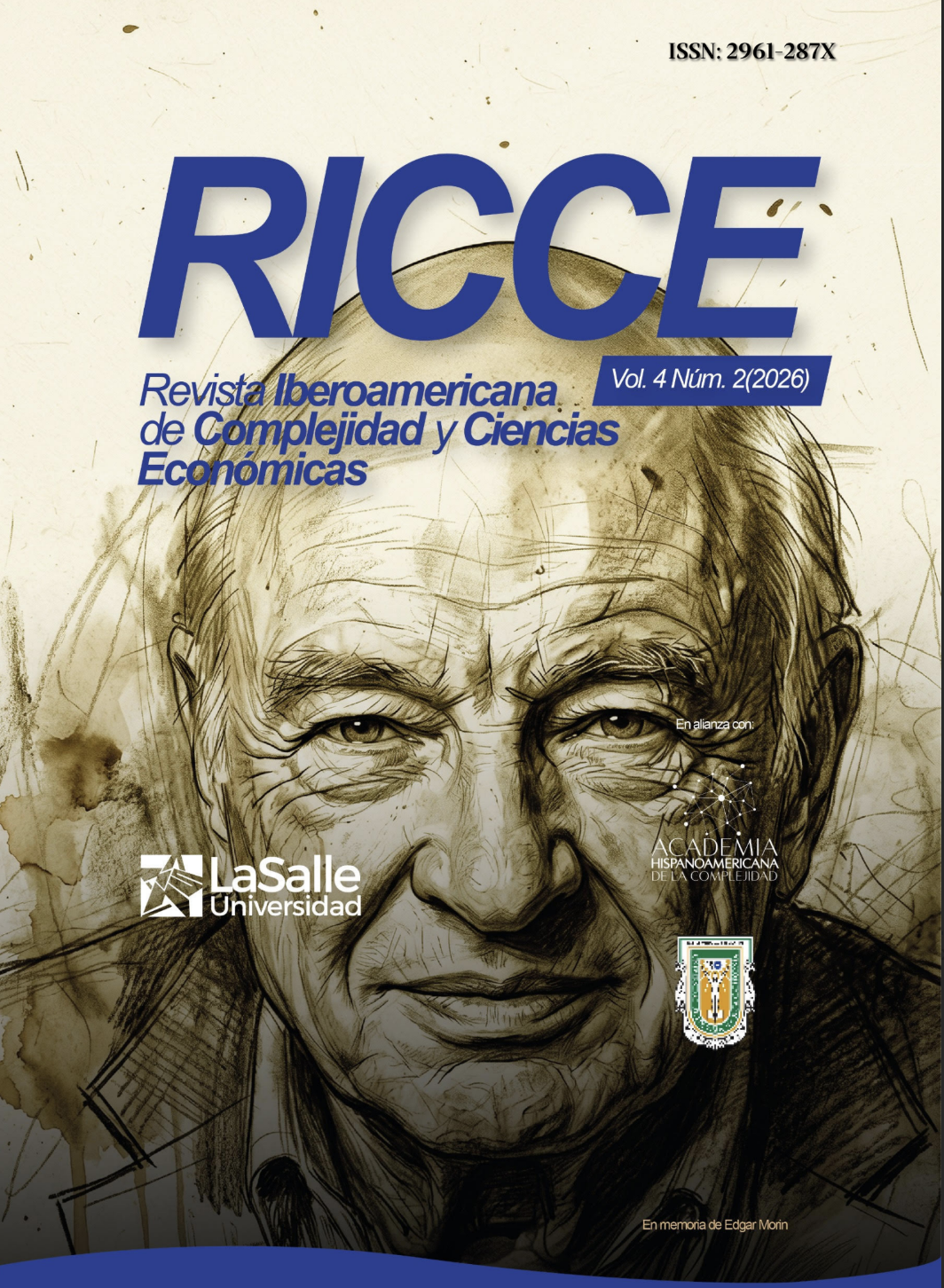
Edgar Morin's Ontological and Logical Revolution

Abstract
The author reflects on three fundamental dimensions of Edgar Morin's thought. First, the transformation he brought about in formal linear logic by reshaping it into a historical-concrete logic with a circular dynamic, following the insights of cybernetics, which revealed that every cause produces an effect that, in turn, feeds back upon and transforms its cause. Second, the reconstruction of the genesis of the universe, understood no longer as a mechanism governed by eternal laws but as an organism that develops historically and continuously reorganizes itself through the four phases of interaction, order, disorder, and organization. Third, the emergence of life, within this ever-evolving context, in all its forms, culminating in the human being and the capacity for self-awareness and awareness of all that exists. Humanity thus becomes an active consciousness capable of influencing
and transforming the universe itself.
Downloads
References
La conoscenza della conoscenza, Cortina, Milano 2004.

Copyright (c) 2026 Iberoamerican Journal of Complexity and Economics Sciences

This work is licensed under a Creative Commons Attribution-NonCommercial-NoDerivatives 4.0 International License.
The authors transfer exclusively the right to publish their article to the Iberoamerican Journal of Complexity and Economics Sciences, which may formally edit or modify the approved text to comply with its own editorial regulations and with universal grammatical standards, before its publication; Likewise, our journal may translate the approved manuscripts into as many languages as it deems necessary and disseminate them in various countries, always giving public recognition to the author or authors of the research.