
Planetary Wisdom, Complex Thinking, and the Mesoamerican Worldview: An intellectual metamorphosis inspired by Edgar Morin's Legacy

Abstract
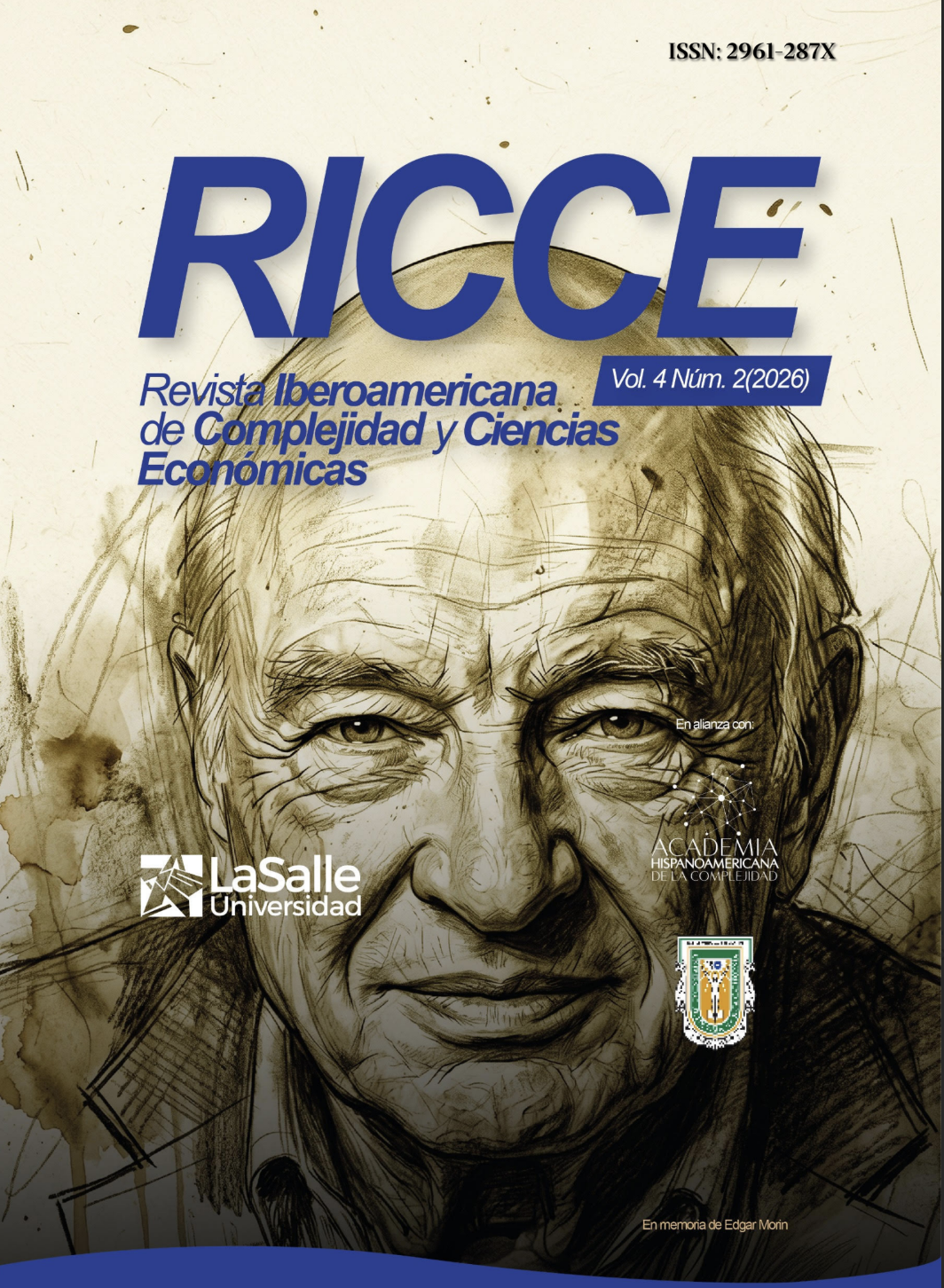
Edgar Morin's legacy, following his passing, invites us to reflect on his contributions to the pursuit of a reform of thought. This intellectual metamorphosis, grounded in
complex thinking and planetary wisdom, enables a reinterpretation of the Mesoamerican worldview. Such a complex rereading of this ancestral tradition moves beyond conventional beliefs and interpretations, making it possible to identify resonances between Morin's epistemology of complexity and the Mesoamerican worldview, while building bridges toward the recovery of planetary wisdom. In this sense, the best tribute that can be paid to Morin is to put his teachings into practice, particularly in an era marked by multiple crises that threaten the future of humanity within the ecological age—a concern that remained central to his work. Now that he has entered eternity, let us remember his enduring hope
that humanity would ultimately be capable of providing the responses needed to ensure
planetary viability.
Downloads
References
García Ayala, J. A. (2010). Fragmentación y urbanización sociocultural del tiempo libre. Lugares de alta significación en la Ciudad Deportiva Magdalena Mixiuhca [[Tesis de doctorado], Universidad Nacional Autónoma de México]. https://xn--josantoniogarcaayala-d2b3h.com/td-fragmentacion-y-urbanizacion-sociocul-tural-del-tiempo-libre-lugares-de-alta-sig-nificacion-en-la-ciudad-deportiva-magdale-na-mixhuca/
García Ayala, J. A,, & Rodríguez García, L. (2022). De la complejidad a la transdisciplinariedad y viceversa en los estudios urba-
no-arquitectónicos. Introducción a la complejidad como marco epistemológico. En LM Rodríguez Salazar (Ed.), Complejidad en ciencias e ingeniería. Estudios socioeconómicos, socioespaciales, biofísicos y en educación (págs. 227-250). Gedisa.
García, R. (2006). Sistemas complejos. Conceptos, método y fundamentación epistemológica de la investigación interdisciplinaria. Gedisa.
González Romero, O. S. (2021). Tlamatiliztli: la sabiduría del pueblo nahua, Filosofía intercultural y derecho a la tierra (México).Leiden University Press.
Leff, E. (2006). Aventuras de la epistemología ambiental. De la articulación de ciencias al diálogo de saberes. Siglo XXI editores.
León-Portilla, M. (2016a). Toltecayótl. Aspectos de la cultura náhuatl. Fondo de Cultura Económica.
León-Portilla, M. (2016b). Trece poetas del mundo azteca. Universidad Nacional Autónoma de México.
López Austin, A. (2016a). La cosmovisión de la tradición mesoamericana (Primera parte). Arqueología Mexicana, Edición Especial 68,6-90.
López Austin, A. (2016b). La cosmovisión de la tradición mesoamericana (Segunda parte). Arqueología Mexicana, Edición Especial 69, 6-90.
López Austin, A. (2016c). La cosmovisión de la tradición mesoamericana (Tercera parte). Arqueología Mexicana, Edición Especial 70,6-90.
Morin, E. (1981). El método I. La naturaleza de la naturaleza. Cátedra.
Morin, E. (1983). El método II. La vida de la vida. Cátedra.
Morin, E. (1988). El método III. El conocimiento del conocimiento. Cátedra.
Morin, E. (1999). Los siete saberes necesarios para la educación del futuro. UNESCO.
Morin, E. (2005). Introducción al pensamiento complejo. Gedisa.
Morin, E., & Hulot, N. (2007). El año I de la era ecológica. Paidós.
Zagal Arreguín, H. y Galindo Montelongo, J. (1997). Ética para adolescentes posmodernos. Publicaciones Cruz O.S.A.

Copyright (c) 2026 Iberoamerican Journal of Complexity and Economics Sciences

This work is licensed under a Creative Commons Attribution-NonCommercial-NoDerivatives 4.0 International License.
The authors transfer exclusively the right to publish their article to the Iberoamerican Journal of Complexity and Economics Sciences, which may formally edit or modify the approved text to comply with its own editorial regulations and with universal grammatical standards, before its publication; Likewise, our journal may translate the approved manuscripts into as many languages as it deems necessary and disseminate them in various countries, always giving public recognition to the author or authors of the research.