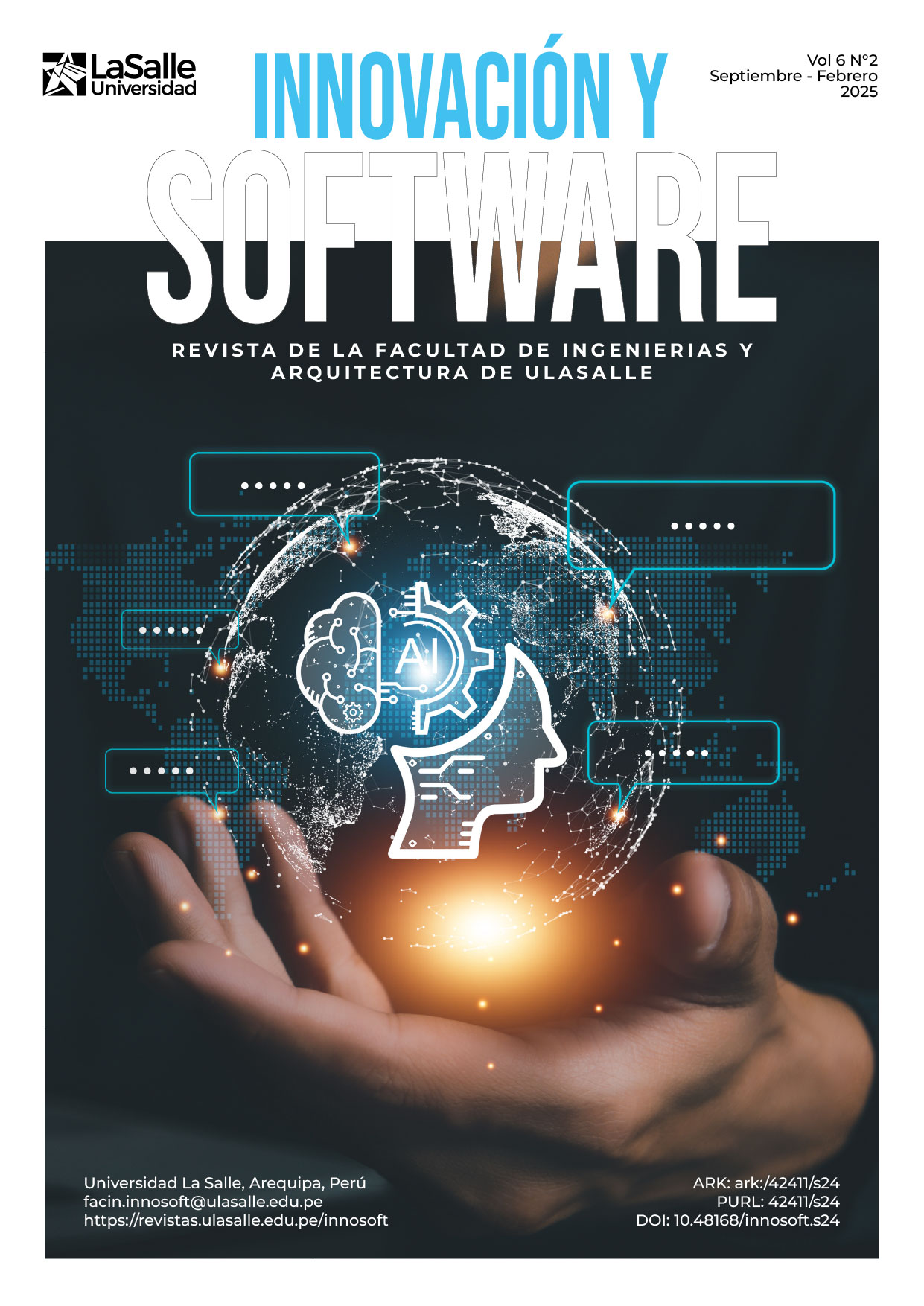
Intelligent automation for successful processes: n8n as a driver of digital efficiency


Abstract
In a context where digital systems are becoming increasingly fragmented, process integration and automation are no longer a technical luxury, but a structural necessity for scaling, protecting data, and improving the end-user experience. This paper analyzes the strategic potential of n8n, an open-source automation and integration platform that combines the best of a low-code approach with the extensibility of traditional development. Through a technical and functional comparison with other market-leading tools such as Zapier and Make, it argues why n8n, especially its Community Edition, represents an ideal solution for software development companies seeking flexibility, control over their workflows, and technological sovereignty. It also explores its API integration capabilities, its modular architecture, and its native support for AI. It also presents real-world application cases in workflows such as automated onboarding, ETL, continuous testing, and omnichannel support. Finally, the importance of adopting a collaborative approach between automation and development is discussed, overcoming the false dilemma between "low-code vs. high-code" and proposing a synergy that fosters secure, scalable, and sustainable digital products.
Downloads
References
[2] E. Brynjolfsson and A. McAfee, The Second Machine Age: Work, Progress, and Prosperity in a Time of Brilliant Technologies. New York, NY, USA: W. W. Norton & Co., 2014.
[3] T. H. Davenport and R. Ronanki, “Artificial intelligence for the real world”, Harvard Bus. Rev., vol. 96, no. 1, pp. 108–116, Jan.–Feb. 2018.
[4] Deloitte, “Automation with intelligence: Pursuing organization-wide reimagination,” Deloitte Insights, 2023. [Online]. Available: https://www2.deloitte.com/global/en/pages/operations/articles/automation-with-intelligence.html
[5] Gartner, Inc., “Magic Quadrant for Enterprise Low-Code Application Platforms,” 2021. [Online]. Available: https://www.gartner.com/en/documents/4007207
[6] Gartner, Inc., “Market Guide for Integration Platform as a Service (iPaaS),” 2021. [Online]. Available: https://www.gartner.com/en/documents/4007207
[7] D. S. Linthicum, Enterprise Application Integration. Boston, MA, USA: Addison-Wesley, 2000
[8] Make, “What is Make?”, 2023. [Online]. Available: https://www.make.com/en
[9] Make, “Subscription options”, 2023. [Online]. Available: https://www.make.com/en/pricing
[10] McKinsey & Company, “The future of work: Reskilling and remote working to recover in the ‘next normal”, 2020. [Online]. Available: https://www.mckinsey.com/business-functions/mckinsey-digital
[11] n8n.io, “n8n documentation”, 2024. [Online]. Available: https://docs.n8n.io
[12] n8n.io, “Pricing and deployment models”, 2024. [Online]. Available: https://docs.n8n.io
[13] OpenAI, “OpenAI API documentation”, 2024. [Online]. Available: https://platform.openai.com/docs
[14] S. Russell and P. Norvig, Artificial Intelligence: A Modern Approach, 4th ed. Hoboken, NJ, USA: Pearson, 2020.
[15] Stability AI, “API reference”, 2024. [Online]. Available: https://stability.ai
[16] Zapier, “How Zapier works”, 2023. [Online]. Available: https://zapier.com/learn/getting-started-guide

Contribution of this article to the SDG.

This work is licensed under a Creative Commons Attribution 4.0 International License.
The authors holds all the right to publish their article to the Innovation and Software Journal, which may formally edit or modify the approved text to comply with their own editorial standards and with universal grammatical standards; Likewise, our journal may translate the approved manuscripts into as many languages as it deems necessary and disseminates them in several countries, always giving public recognition to the author or authors of the research.